Understanding How Bank Payments Actually Work
Understanding How Bank Payments Actually Work
SWIFT, NPP, Clearing, Settlement and the Hidden Architecture of Modern Banking
Most people think sending money through a banking app is simple.
You open your banking app, enter the amount, press Send, and within seconds the money appears in the recipient’s account.
But behind that simple action lies an extremely complex network of financial systems, payment rails, settlement services, and security layers.
In this post, we will go through:
The difference between SWIFT and NPP
How modern payment systems work
The meaning of clearing, settlement, and reconciliation
The hidden architecture inside banks
How engineers debug a failed payment
Let’s start from the beginning.
1. The Different Payment Rails Banks Use
Banks don’t use a single payment system. They use multiple payment rails, each designed for different purposes.
ACH – Batch Payments
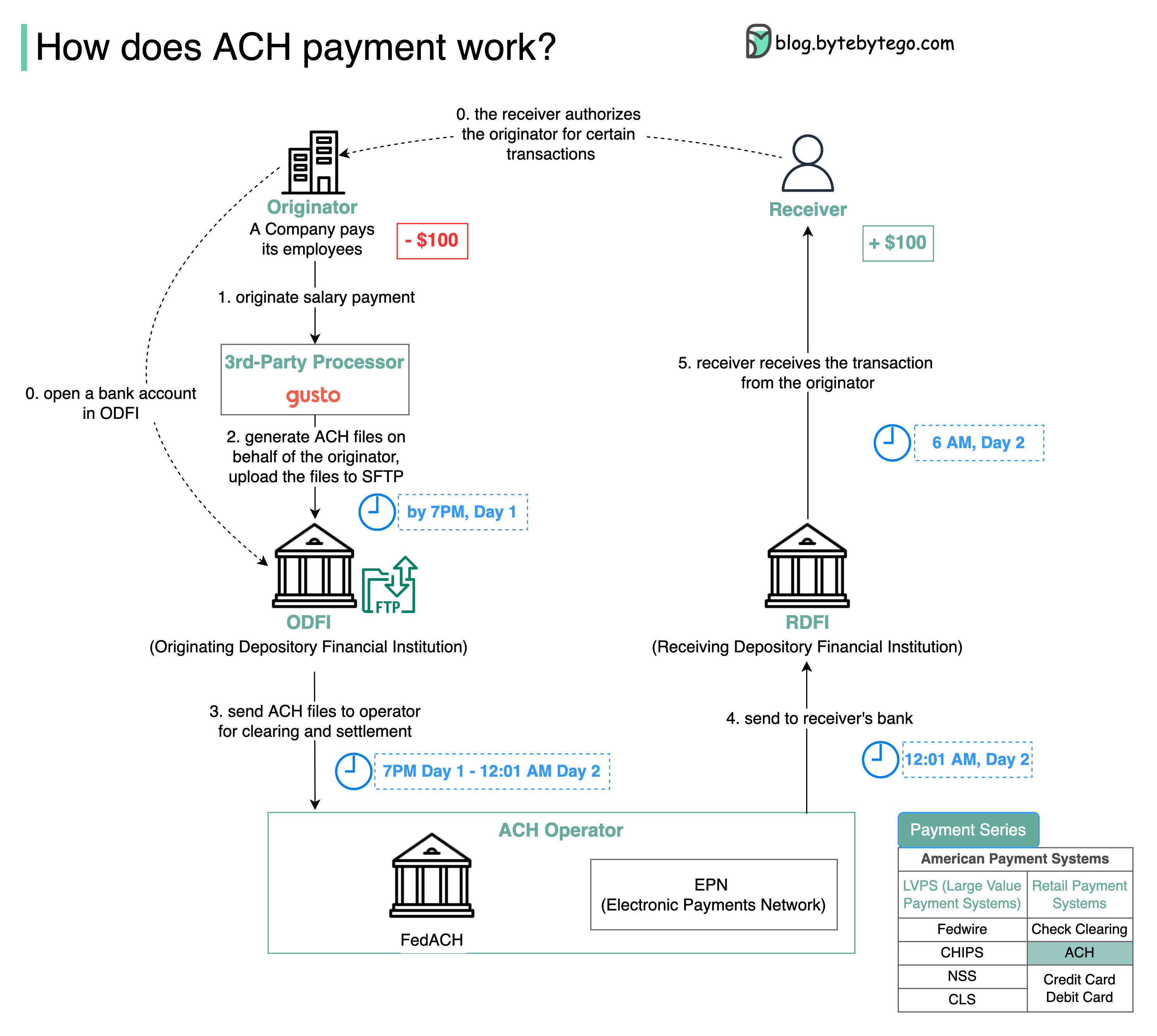
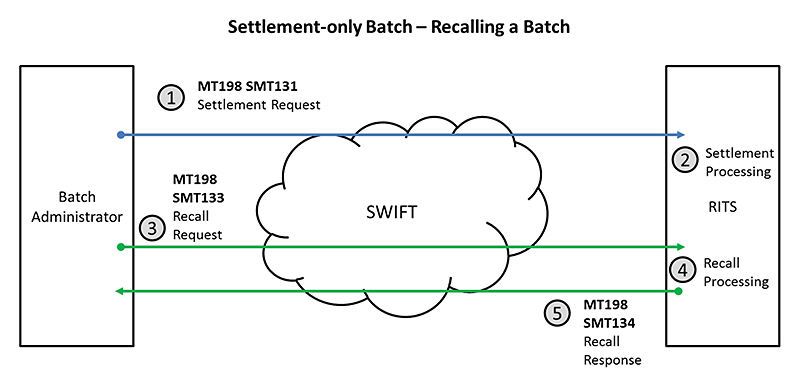
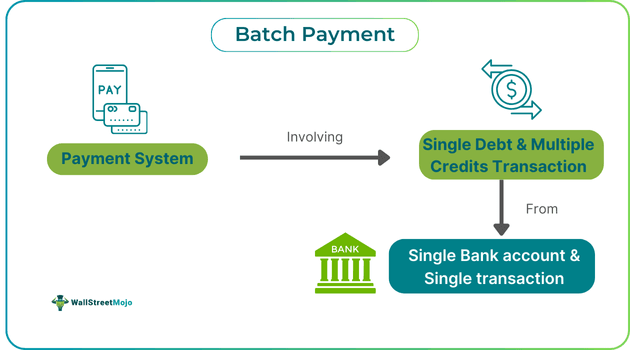
ACH-style systems process payments in batches.
These are commonly used for:
Salary payments
Utility bills
Direct debit
Subscription payments
Instead of processing transactions instantly, banks collect transactions and process them together at scheduled times.
This is efficient for high-volume payments, but it is not instant.
NPP – Instant Payments (Australia)
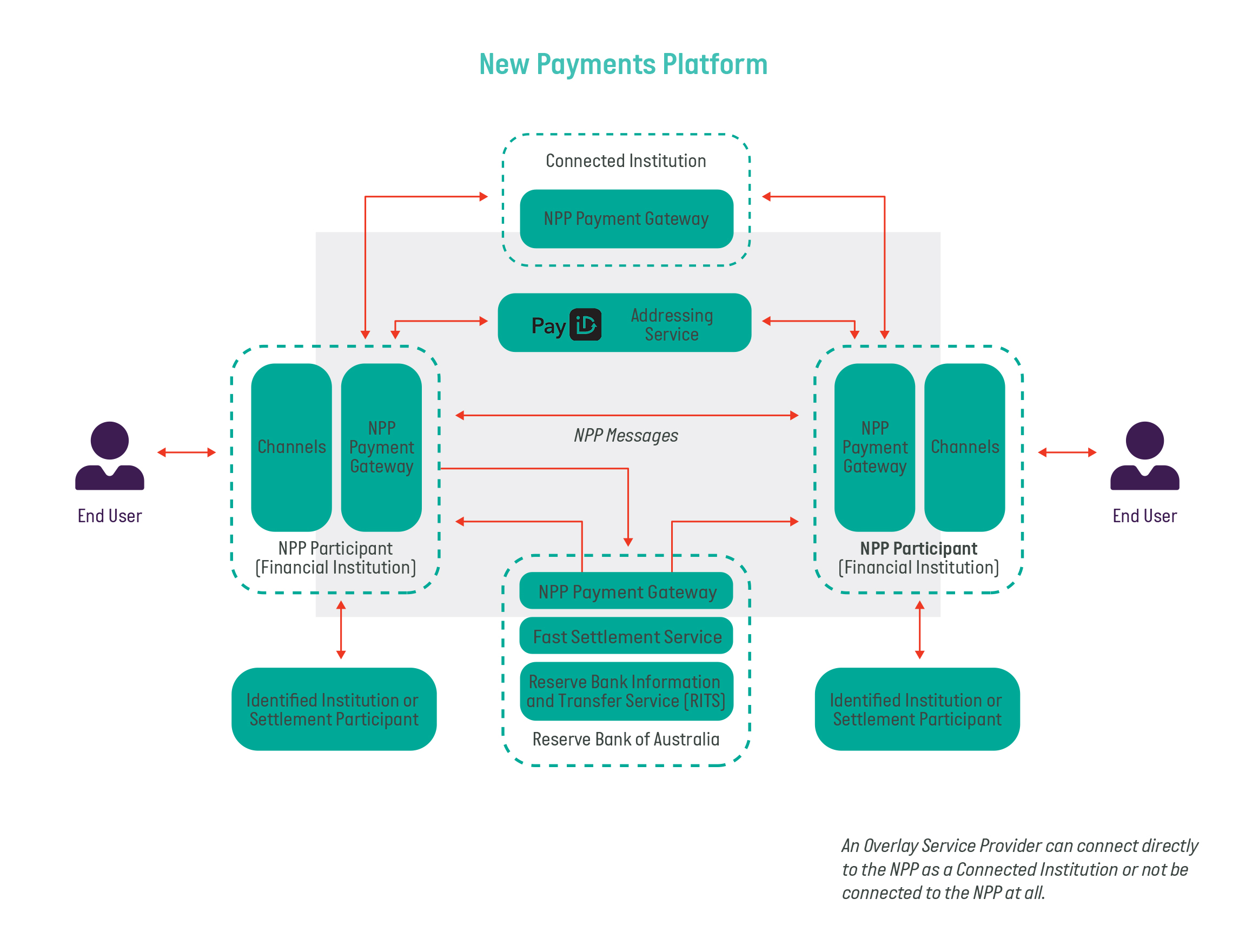
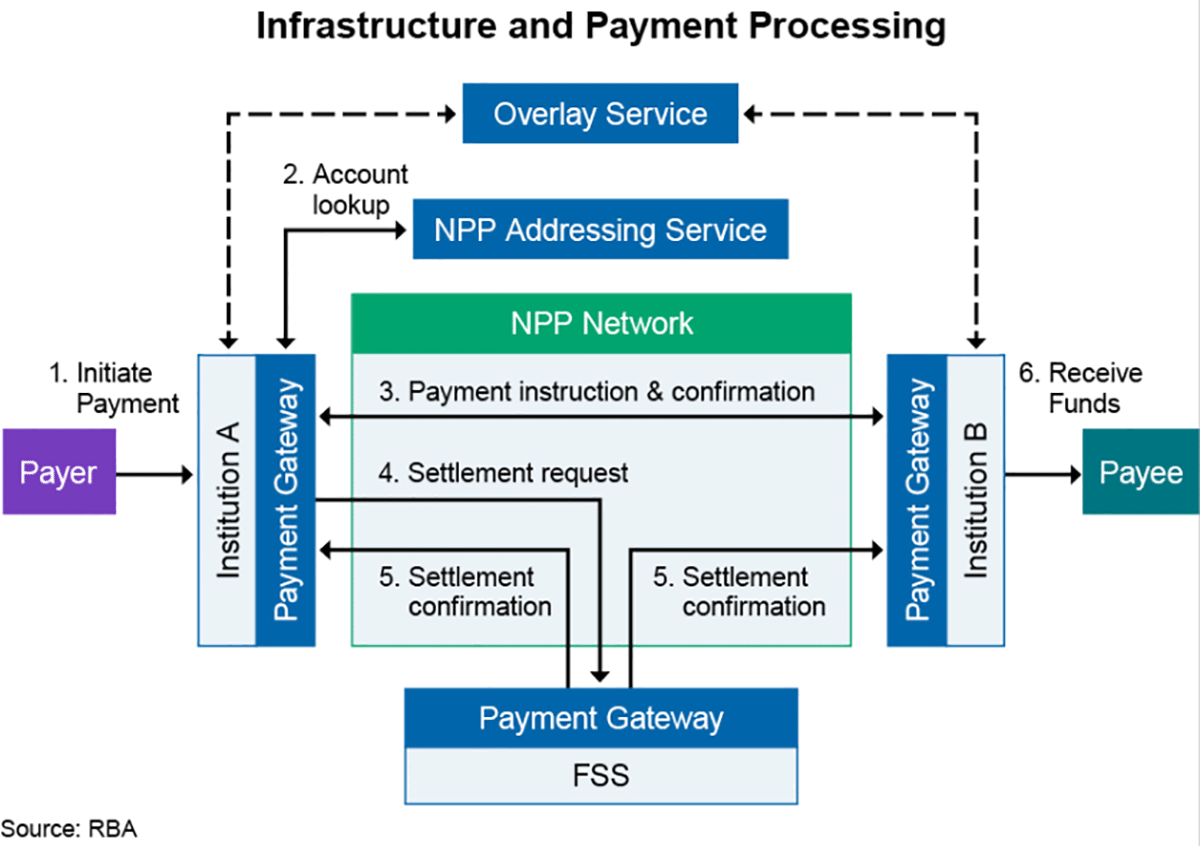
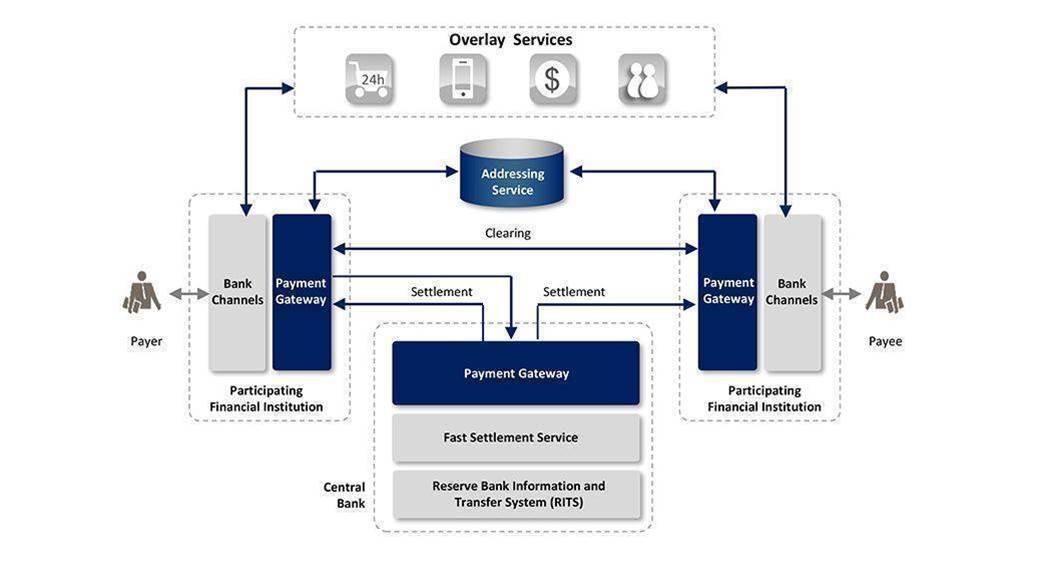

Australia introduced the New Payments Platform (NPP) to enable real-time payments.
With NPP:
Payments happen within seconds
The system works 24/7
Transfers can use PayID (phone number or email)
Settlement occurs through systems operated by the
Reserve Bank of Australia.
This is why when you transfer money between banks today, it often arrives almost instantly.
SWIFT – International Payments

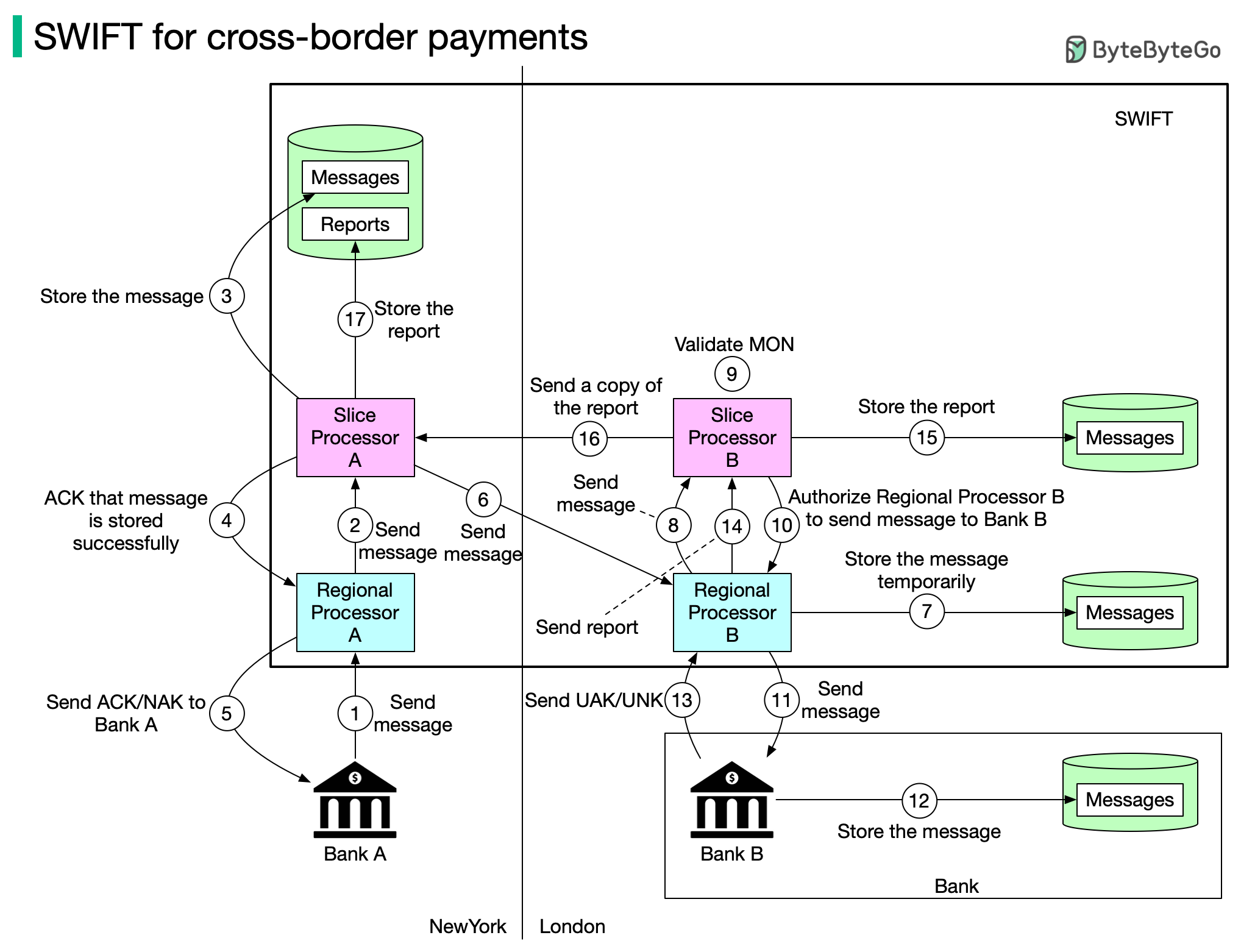


When money moves between countries, banks rely on the global network known as
SWIFT is not a payment system.
Instead, it is a secure messaging network used by banks to send payment instructions.
The actual movement of money happens later through correspondent banking relationships.
This is why international transfers can take 1–3 days.
2. The Three Stages of Every Payment
Every banking payment goes through three important stages.
Clearing


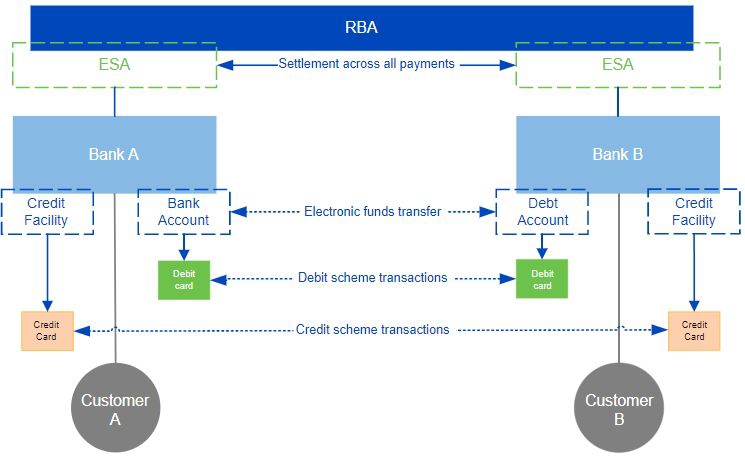

Clearing is when banks exchange payment instructions.
At this stage:
Payment messages are verified
The receiving bank confirms account details
The system calculates who owes money to whom
Important:
No money moves yet.
Settlement
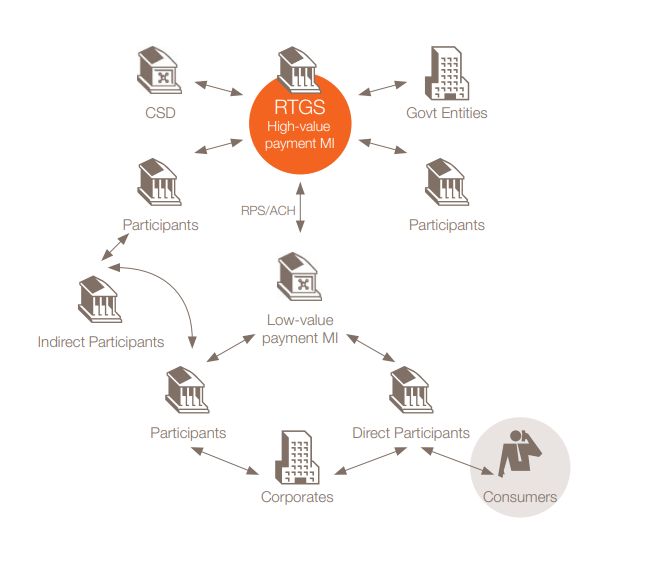
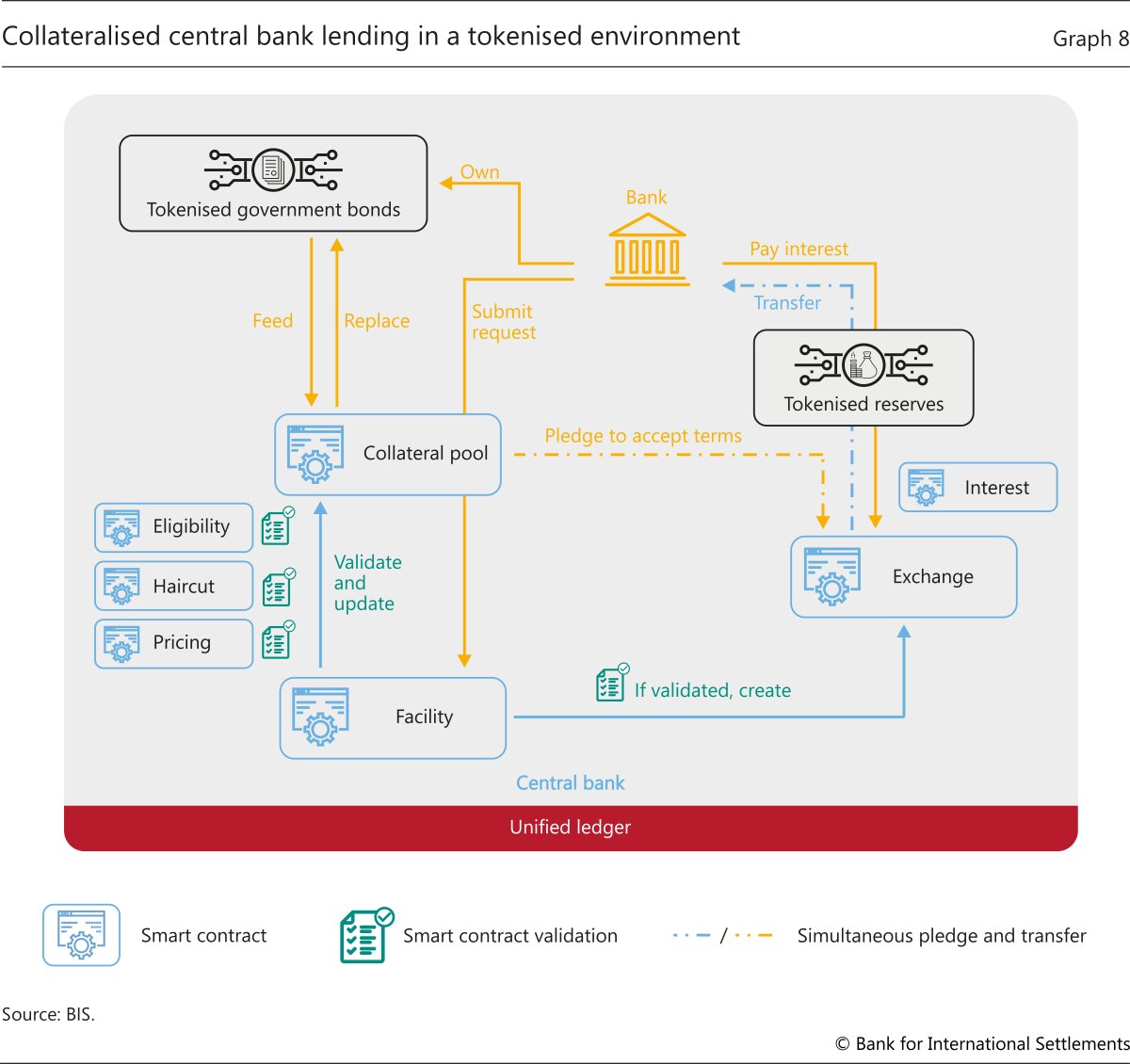
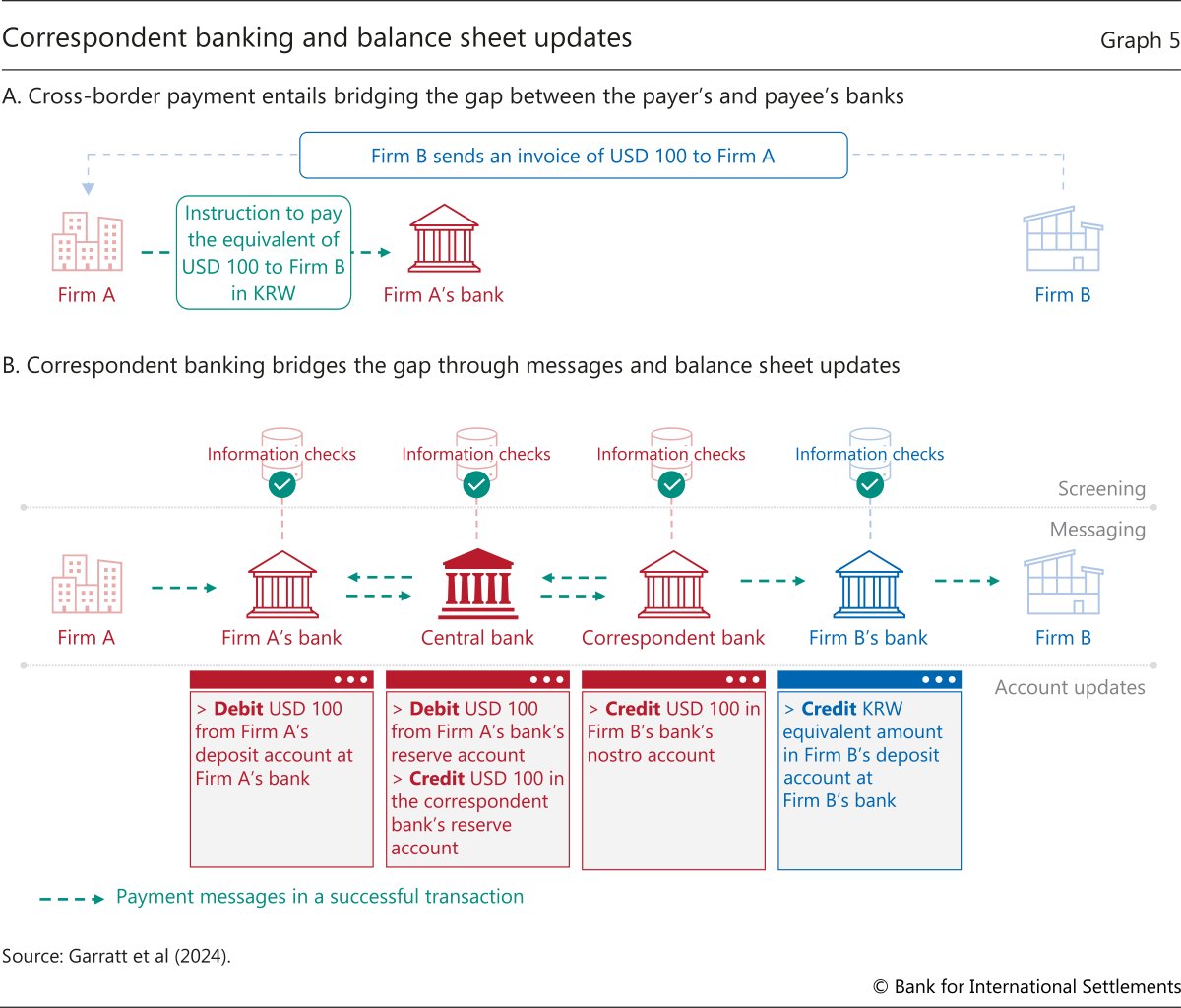
Settlement is when the actual money moves between banks.
This usually happens through accounts held at the central bank.
Once settlement occurs:
The payment becomes final
It cannot easily be reversed
Reconciliation
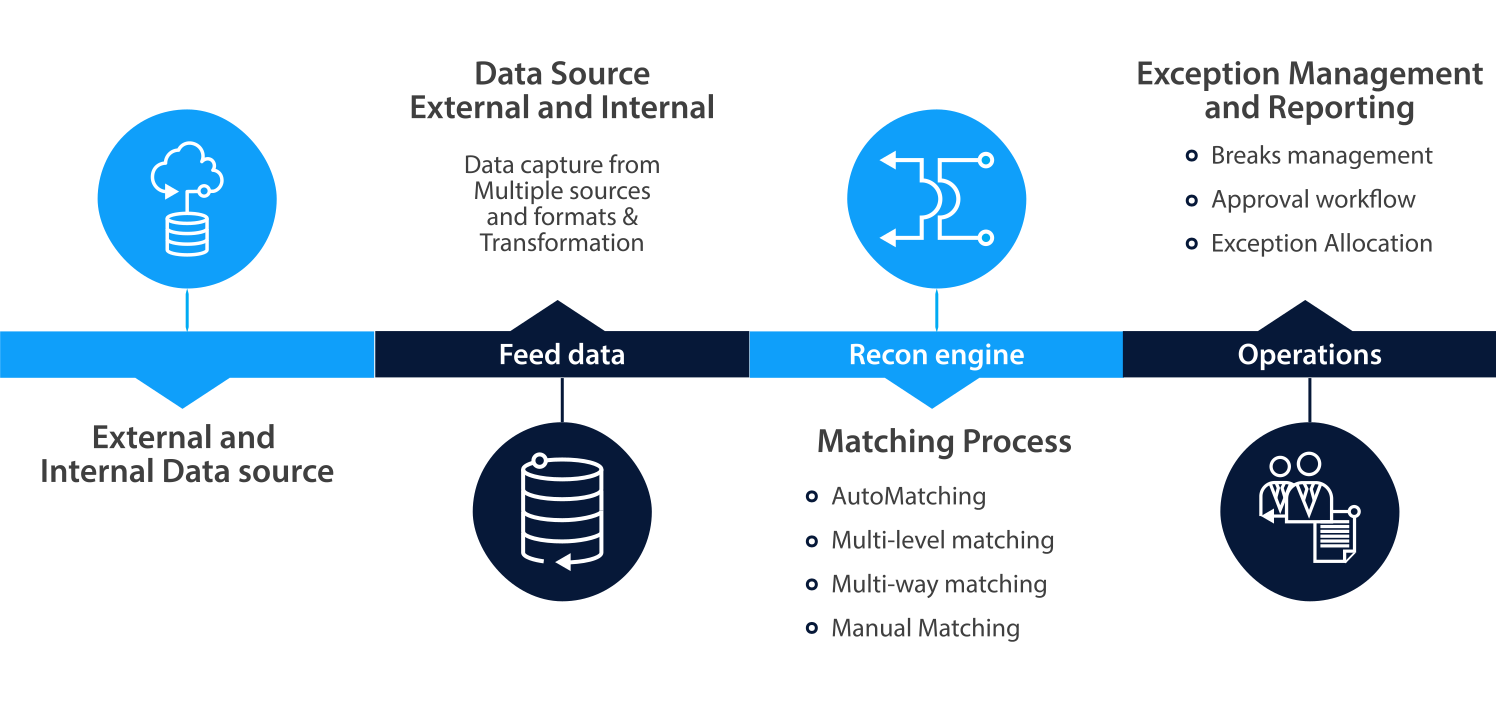


Reconciliation ensures that all financial records match.
Banks compare:
Payment network logs
Core banking records
Settlement records
Transaction ledgers
If something doesn't match, it triggers a manual investigation.
3. What Happens When You Send Money
Here is the simplified journey of a payment.
Mobile Banking App
        ↓
API Gateway
        ↓
Fraud Detection
        ↓
Payment Processing System
        ↓
Clearing Network
        ↓
Central Bank Settlement
        ↓
Recipient Bank
        ↓
Recipient Account Credited
In modern real-time systems like NPP, this entire process happens in just a few seconds.
4. The Hidden Architecture Inside Banks
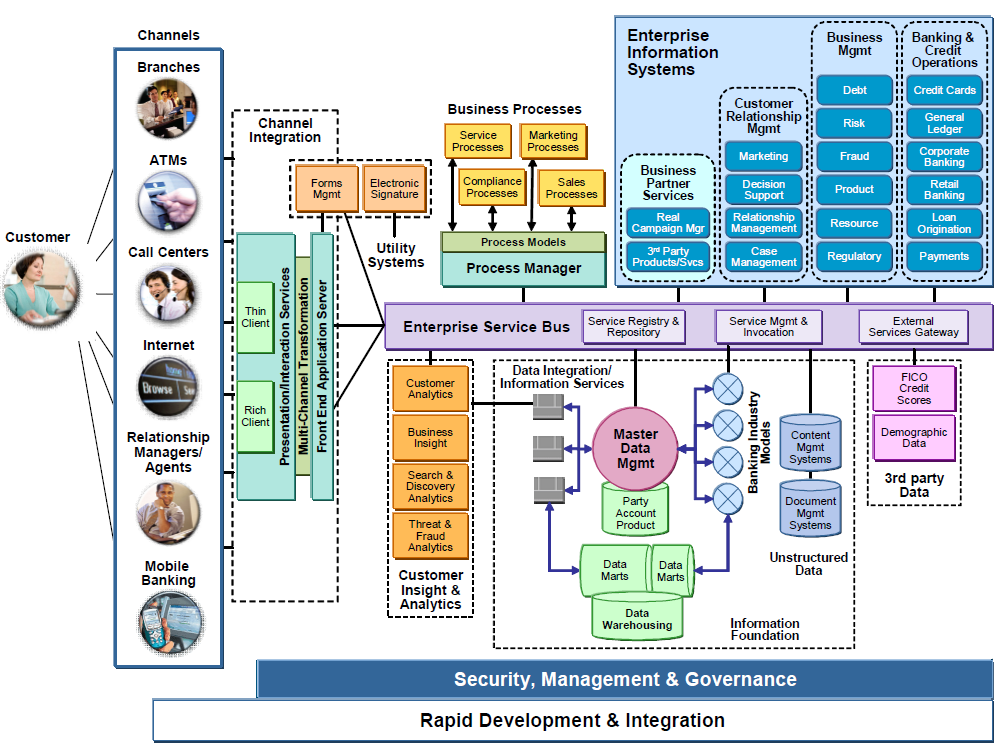

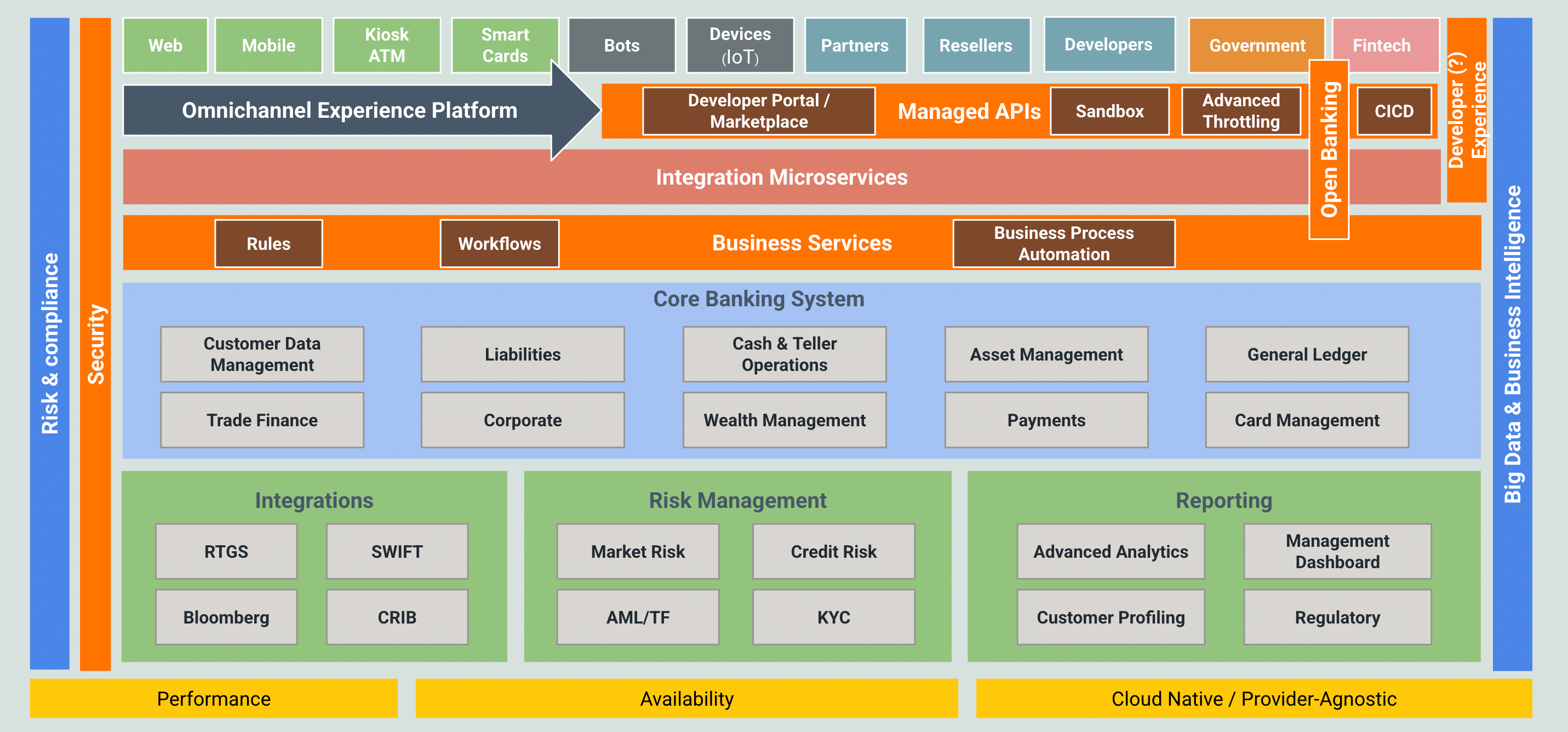
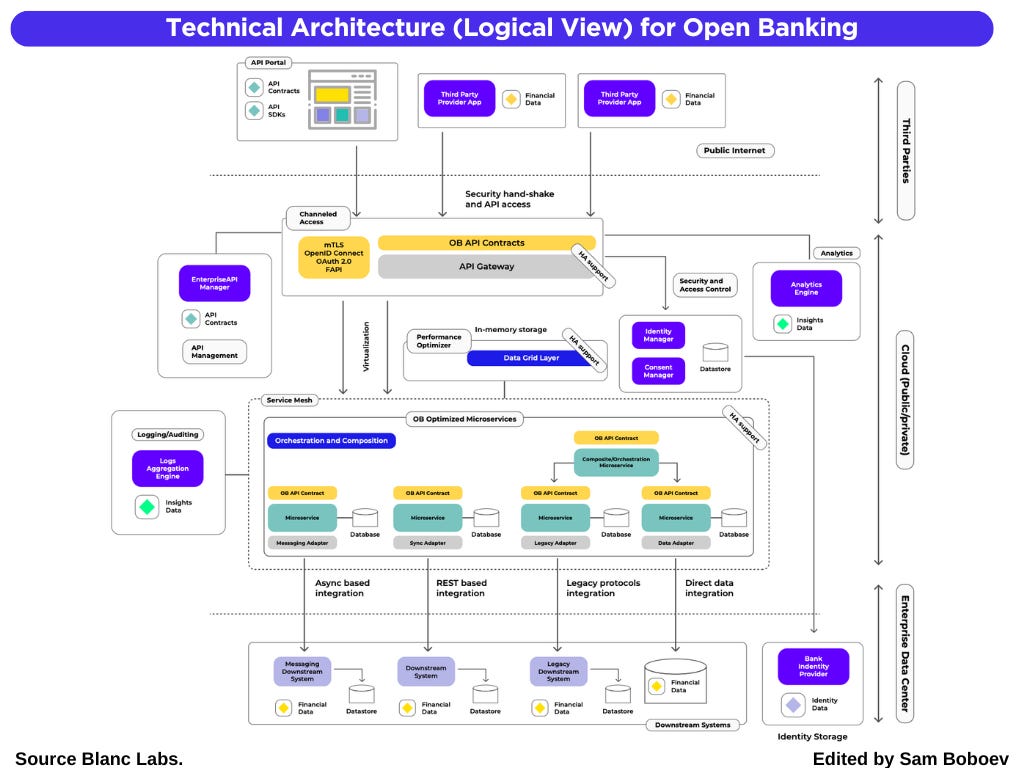
Modern banks are built from several major systems.
Typical architecture includes:
Customer Channels
Mobile apps
Internet banking
ATMs
API Gateway
Routes requests
Enforces security
Fraud & Risk Systems
Detect suspicious transactions
Apply security policies
Payment Processing Systems
NPP
Card networks
SWIFT
The bank’s main ledger
Stores account balances
Data & Analytics Systems
Reporting
Compliance
Fraud monitoring
5. How Banks Debug a Failed Payment
Payments pass through many distributed systems, which means failures can happen at different points.
Engineers investigate using:
Transaction IDs
Every payment has a unique identifier.
Example:
TXN-8934729384
This ID appears in logs across multiple systems.
Observability Tools
Banks monitor payments using:
Logs – detailed system events
Metrics – performance data
Traces – end-to-end request tracking
These tools help engineers trace exactly where a payment failed.
Example Failure
Transaction ID: TXN-8934729384

Mobile App → OK
API Gateway → OK
Fraud Engine → OK
Payment Processor → OK
Settlement System → FAILED
Reason: Liquidity issue
Once engineers identify the failure point, they can investigate and resolve the issue.
Final Thoughts
Banking systems may appear simple from the outside, but internally they are one of the most complex distributed systems in the world.
Every time you send money:
Multiple systems validate the transaction
Payment networks exchange instructions
Central banks settle the funds
Banks reconcile records across multiple ledgers
And all of this often happens within seconds.
Understanding this architecture is not only fascinating — it is also essential knowledge for anyone working in fintech, payments, or financial technology engineering.
Comments
Post a Comment